












Category: MedTech
5 minutes read
MedTech Forum 2025: Vamstar Leading the Charge in Digital Transformation
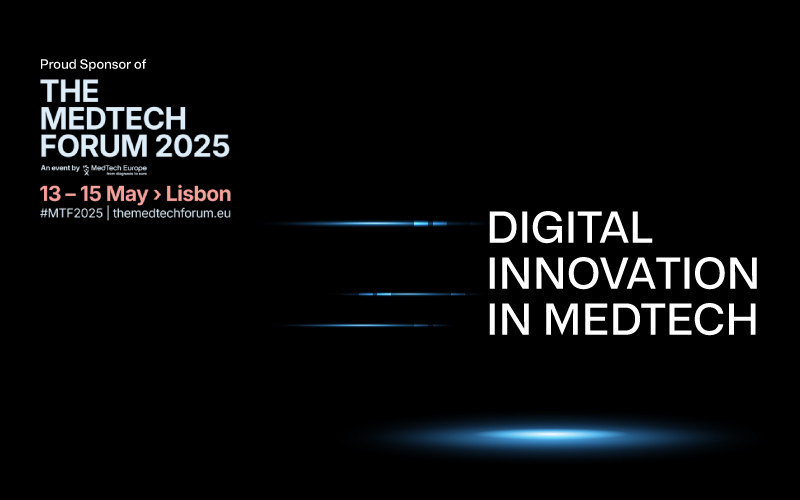
Healthcare is evolving fast—and let’s be honest, digital transformation isn’t just another talking point; it’s the cornerstone reshaping the industry’s future. The MedTech Forum 2025, taking place in Lisbon from May 13-15, serves as a vital platform for leaders across the MedTech and health technology sectors to explore the latest innovations and strategic developments. Vamstar, a Platinum Sponsor of this highly anticipated event, is proud to contribute to these conversations and showcase how AI and digital solutions are reshaping the future of healthcare.
A New Era of Medical Technology: Embracing Digital Transformation
The pace of digital transformation within the MedTech industry is unprecedented. Advances in Artificial Intelligence (AI), machine learning, and the Internet of Medical Things (IoMT) are unlocking new opportunities for healthcare professionals, manufacturers, and patients alike. From connected medical devices to AI-driven diagnostics, digital technologies are enhancing treatment outcomes, improving patient experiences, and streamlining operations across the healthcare ecosystem.
At Vamstar, we are committed to accelerating this transformation by providing the tools and technologies that enable MedTech companies to accelerate commercial innovation and stay ahead in a competitive, rapidly changing market. Our suite of AI-driven solutions supports businesses in navigating the complexities of data integration, real-time analytics, and value-based procurement, empowering stakeholders to make data-driven decisions and enhance patient care.
Vamstar’s Role at MedTech Forum 2025: Innovation, Collaboration, and Impact
As a Platinum Sponsor of MedTech Forum 2025, Vamstar is poised to engage with industry leaders, innovators, and policymakers on the critical issues surrounding digital transformation in MedTech. Our participation highlights our deep commitment to advancing technology-driven solutions that address the industry’s most pressing challenges, including operational efficiency, regulatory compliance, and market access.
One of the event’s highlights will be our exclusive panel session, AI Unleashed: Strengthening MedTech Competitiveness in a New Industrial Age, where industry leaders will share actionable insights into harnessing AI for transformative impact. In this session, we will examine how AI-driven solutions accelerate product development, sharpen go-to-market strategies, and unlock new revenue streams, especially in Europe’s complex healthcare landscape. While the industry is abuzz with hyperbolic commentary about European regulations and the disruptive potential of AI, we must remember that healthcare remains deeply human. With Europe’s ageing population and an increased prevalence of chronic illness, the demand for MedTech innovation is at an all-time high. However, the sector faces mounting challenges, including regulatory hurdles, cybersecurity threats, legacy commercial infrastructure, and evolving digital requirements.
Rather than viewing AI as a mere tool to implement, we will explore how it can empower leaders to navigate complexity, simplify decision-making, and align strategic priorities. Is your organisation prepared to embrace these capabilities? Do your teams possess the digital savvy and commercial acumen to fully leverage AI?
Through real-world discussion and case studies, this session will demonstrate how AI-enabled strategies can unlock Europe’s massive market potential by delivering regulatory clarity, enhancing market access, and driving commercial excellence. Join us to learn how MedTech leaders are using AI to develop robust contracting frameworks, tailor sales approaches, and strengthen partnerships across diverse EU systems.
Ultimately, by leveraging the right AI tools in the right ways, the MedTech industry can thrive in the new industrial revolution—ensuring that patients continue to benefit from transformative innovations and that businesses maintain a competitive edge.
Conclusion
The digital transformation of the MedTech sector is more than just a trend—it is a revolution that is redefining how care is delivered and how technologies are developed, regulated, and commercialised. As a Platinum Sponsor of MedTech Forum 2025, Vamstar is proud to be part of this transformative journey, driving innovation and collaborating with industry leaders to ensure that the future of healthcare is powered by cutting-edge technology and real-time insights.
Join us in Lisbon and discover how Vamstar is helping to shape the future of MedTech through digital transformation.
Join Us
Join us in Lisbon and discover how Vamstar is helping to shape the future of MedTech through digital transformation.


14 minutes read
Bridging the IT Gap in Pharma, MedTech, and Biotech Commercialisation

Introduction
While much of the conversation around technology in Lifesciences, Pharma, MedTech, and Biotech revolves around drug trials, regulatory compliance, and drug repurposing, there is a significant gap in discussions about the role of IT in commercialisation, go-to-market strategies, and market access.
These challenges are particularly pressing because commercial success depends on seamless integration between sales execution, regulatory compliance, and market strategy that often remain disconnected in traditional IT frameworks. Companies like Vamstar can play a pivotal role in addressing these hurdles, enabling streamlined commercialisation and optimised market entry.

Access this article
Please enter your details to continue reading.
Subscribe to continue reading.
5 minutes read
Malaysia’s MedTech Sector: Poised for Transformation Through AI and NIMP 2030
Malaysia is on an ambitious path to establish itself as a global hub for medical technology (medtech). With the New Industrial Master Plan 2030 (NIMP 2030) as its blueprint, the nation is leveraging cutting-edge technologies like artificial intelligence (AI) to drive innovation, improve healthcare delivery, and enhance economic competitiveness. This vision is not only supported by robust government policies but also by the active participation of global medtech giants and local innovators.
The Role of NIMP 2030
At the heart of Malaysia’s medtech revolution is NIMP 2030, a comprehensive industrial roadmap that emphasises the adoption of Industry 4.0 technologies. AI is a cornerstone of this strategy, offering transformative potential in areas like manufacturing automation, personalised medicine, and digital health.
One of NIMP 2030’s key initiatives, the Mission-Based Projects (MBPs), aims to establish Malaysia as a generative AI hub. These projects are designed to develop local AI capabilities, fostering an ecosystem where medtech companies can innovate and thrive. Additionally, plans to transform 3,000 factories into smart facilities by 2030 underscore the government’s commitment to integrating AI and automation into industrial processes.
Industry Growth and Export Success
Malaysia’s medtech sector has seen significant growth, with over 200 manufacturers, including major players like Abbott and B. Braun, operating in the country. The sector’s export performance is a testament to its dynamism: in 2023, medical device exports reached RM28.15 billion, with a 30% year-on-year increase in 2024.
This impressive trajectory is further fueled by the government’s focus on partnerships between global medtech companies and domestic players, aiming to integrate local firms into international supply chains and enhance their resilience.
AI Adoption: Global Leaders in Malaysia
Abbott
Abbott’s global AI initiatives reflect its commitment to innovation. The company employs AI in its optical coherence tomography (OCT) systems, enabling micrometer-level imaging for precise cardiac diagnostics. Its Ultreon software uses AI to detect arterial conditions automatically, streamlining procedures for clinicians.
Globally, Abbott also explores predictive analytics in cardiology, using machine learning to identify patients at risk of heart attacks. While specific plans for Malaysia have not been detailed, these advancements align well with the goals of NIMP 2030, suggesting that similar technologies could find applications in the country.
B. Braun
B. Braun Medical Industries (BMI), headquartered in Penang, is expanding its operations with a focus on automation and digital solutions. While AI-specific implementations are not explicitly disclosed, the company’s efforts in smart manufacturing and sustainable practices align with the digital transformation envisioned by NIMP 2030.
For instance, B. Braun’s optimisation of logistics and predictive maintenance strategies could benefit from AI technologies, enhancing operational efficiency and reducing costs.
Local Innovators Leading the Charge
In addition to global players, local firms like Qmed Asia are at the forefront of AI integration in Malaysia. Qmed Asia has developed AI-assisted tools to support doctors in diagnosis and treatment, as well as solutions to streamline patient flow in healthcare settings. These innovations underscore the potential for homegrown companies to drive the medtech sector’s growth.
Challenges and Opportunities
While Malaysia’s medtech sector is well-positioned for success, challenges such as global competition and regulatory alignment remain. Ensuring that local regulations meet international standards is critical for accessing global markets. However, the supportive ecosystem fostered by NIMP 2030 offers ample opportunities, particularly in digital health, medical robotics, and AI-driven diagnostics.
Conclusion
Malaysia’s medtech sector is undergoing a transformative journey, fueled by strategic government policies, the adoption of advanced technologies, and active participation from both global and local players. Companies like Abbott and B. Braun are expected to play a pivotal role in realising this vision, while homegrown innovators contribute to a vibrant and dynamic ecosystem.
With NIMP 2030 as a guiding framework, Malaysia is well on its way to becoming a global medtech hub, setting new benchmarks in healthcare innovation and economic development. The integration of AI is not just a goal but a pathway to redefining the future of medtech in the region and beyond.
20 minutes read
Navigating the Complex Landscape of US Market Access for Medical Devices and Technologies
In the ever-evolving world of healthcare, bringing innovative medical devices and technologies to market is both an exciting opportunity and a complex challenge. For companies looking to enter the US market, understanding the intricacies of regulatory approval, reimbursement, and market access is crucial for success. This comprehensive guide will walk you through the key aspects of bringing your medical device or technology to the US market, from FDA regulations to reimbursement strategies and everything in between.

1. The US Regulatory Landscape
At the heart of the US medical device market lies the Food and Drug Administration (FDA), the primary regulatory body responsible for ensuring the safety and efficacy of medical devices. However, the regulatory landscape extends beyond just the FDA, encompassing other agencies and considerations that can impact your path to market.
Register to continue reading.
13 minutes read
What Every MedTech CEO Should Know About Unlocking the Potential of AI in Commercialisation

Artificial Intelligence (AI) is revolutionising the MedTech industry, offering significant opportunities to enhance commercialisation strategies. As a MedTech CEO, understanding how to effectively integrate AI into your business operations is crucial for maintaining a competitive edge.
Here are key considerations to unlock AI’s potential in commercialisation:

1. Leverage AI for Market Entry and Expansion
AI-driven data analysis enables precise market entry strategies by identifying emerging trends, regulatory requirements, and customer needs. Platforms like Vamstar’s Polaris facilitate this by seamlessly integrating data across healthcare markets, enabling MedTech companies to map, track, and analyse policy landscapes and evidence bases. This alignment with market demands and sustainability frameworks, such as Value-Based Procurement (VBP) processes, ensures companies can address both immediate and long-term goals.
Empowering Market Access through Agentic AI takes this a step further. Agentic AI is an advanced, autonomous solution designed to support market access teams at local, regional, and global levels. By autonomously gathering, mapping, tracking, and analysing essential evidence bases and policies, it provides dynamic insights and actionable intelligence. This enables teams to make informed decisions and drive value-based procurement strategies with unparalleled precision.
Key Features of Agentic AI:
- Autonomous Evidence Mapping: Using Vamstar’s Polaris, clinical evidence is independently collected, classified, and synthesised, forming a strong foundation for strategic decision-making.
- Policy Intelligence: Vamstar’s Polaris continuously monitors and evaluates regulatory changes and policy shifts, helping teams stay aligned with the evolving market landscape.
- Global Market Surveillance: Polaris aggregates data from over 86,000 buyers across more than 100 countries, delivering a comprehensive view of global market dynamics.
Benefits:
- Optimised Market Access: Delivers real-time insights into evidence and regulatory landscapes, streamlining market entry and expansion.
- Increased Operational Efficiency: Automates data collection and analysis, reducing manual effort while improving accuracy.
- Strategic Decision-Making: Provides data-driven insights that align with organisational goals and market forces, driving sustainable growth.
Applications:
- Value Mapping: Maps value and pricing dynamics autonomously across payer landscapes, integrating data from diverse markets and sources.
- Sustainability Monitoring: Tracks and evaluates industry-wide sustainability initiatives, ensuring seamless integration with ecosystem partners.
- Value-Based Procurement (VBP): Facilitates VBP adoption by providing clarity on contract outcomes, improving operational efficiency, and aligning cost-of-care criteria with purchasing decisions.
Agentic AI revolutionises traditional market access strategies by autonomously driving insights and aligning organisations with the evolving demands of global markets. Opinion leaders highlight that delaying AI adoption or underestimating its value can leave companies behind in a fast-evolving market.
2. Streamline Operations and Decision-Making
Implementing AI can optimise various operational aspects, from supply chain management to sales forecasting. AI algorithms predict demand, manage inventory, and streamline logistics, resulting in increased efficiency and reduced costs. Industry leaders suggest that the integration of AI in these areas allows companies to remain agile and responsive, avoiding common pitfalls like resource mismanagement and operational silos.
3. Foster Innovation in Product Development
AI facilitates accelerated innovation by analysing complex datasets, such as patient outcomes, clinical trial data, and real-world evidence, to identify new product opportunities and improvements. These datasets provide insights into unmet needs, treatment efficacy, and market dynamics, enabling companies to innovate with precision and confidence.
Generative AI, for instance, can assist in designing novel medical devices or enhancing existing ones by enabling advanced simulation, rapid prototyping, and predictive modelling. These capabilities allow teams to explore numerous design iterations quickly, optimise device performance, and predict real-world outcomes, ensuring your product offerings remain at the forefront of technological advancement.
According to Deloitte’s survey, 42% of MedTech executives report significant benefits from AI in product development, including cost reductions and new revenue streams. Leaders also emphasise that AI-driven collaboration across R&D, production, and marketing teams accelerates innovation, ensuring adaptability in a fast-evolving market.

5. Invest in AI Talent and Culture
Building a team with AI expertise is vital for successful implementation. To operationalise this:
- Conduct a Skills Gap Analysis: Assess your organisation’s current AI-related skills and identify areas that need development.
- Hire Strategically: Recruit professionals with expertise in AI technologies, data science, and industry-specific applications. Consider hiring an AI-focused Chief Innovation Officer or forming an advisory board with AI experts.
- Invest in Training Programs: Provide ongoing training for existing employees to build AI literacy and upskill in areas like data management and AI ethics.
- Foster Cross-Functional Teams: Encourage collaboration between technical, operational, and strategic teams to ensure AI initiatives align with business goals.
- Promote a Culture of Innovation: Implement programs that reward innovative uses of AI, such as hackathons or internal AI competitions.
- Leverage External Partnerships: Collaborate with universities, research institutions, or AI-focused organisations to stay updated on the latest technologies and methodologies.
- Evaluate Progress and Impact: Regularly measure the success of AI initiatives in achieving business goals using KPIs.
6. Avoid Common Pitfalls in AI Implementation
Avoiding common missteps in AI implementation is critical for success. Overestimating AI capabilities or underestimating the importance of data quality can lead to inefficiencies and missed opportunities. Leaders caution against waiting for perfect conditions to adopt AI, advocating instead for phased implementation strategies that adapt to evolving business needs and technological advancements.
Vertical-specific AIs, such as Vamstar’s Polaris, tailored to address specialised challenges, offer transformative potential. These solutions not only improve operational efficiency but also deliver actionable insights that align closely with market demands, ensuring a competitive edge in dynamic environments. By focusing on incremental deployment and aligning AI solutions with specific business objectives, organisations can maximise the value of their AI investments while minimising risks.
7. Incorporate AI in Sustainability Efforts
AI tools can optimise resource usage, reduce waste, and streamline operations in line with sustainability goals. This is particularly relevant for Value-Based Procurement (VBP) processes, where AI helps align commercial activities with environmental and social objectives. Advanced AI capabilities, including AI-driven ESG reporting and resource tracking, enable MedTech companies to meet sustainability goals while enhancing operational efficiency.
8. Optimise Pricing Strategies with AI
Pricing is a core focus for MedTech and pharmaceutical companies, and leveraging AI in pricing processes offers transformative potential. AI-powered tools analyse vast datasets, including market trends, competitor pricing, and historical sales data, to develop dynamic pricing models that adapt to real-time conditions.
Key Benefits:
- Improved Accuracy: Advanced machine learning algorithms identify patterns and predict market behaviours, ensuring precision in pricing strategies.
- Increased Efficiency: Automation accelerates decision-making, enabling rapid adjustments to market changes with optimised pricing.
- Enhanced Profitability: AI balances competitiveness with profitability, ensuring that pricing strategies maximise margins while remaining attractive to customers.
Applications:
- Dynamic Pricing Models: Adjust prices in real time based on market demand and competitive positioning.
- Revenue Optimisation: Use predictive analytics to identify optimal price points that maximise revenue and market share.
- Contract Pricing Support: Streamline and harmonise pricing across contracts, ensuring consistency and compliance.
Real-World Impact: Implementing AI-powered pricing solutions has shown measurable success. For instance, companies have reported significant improvements in bidding success rates and margin optimisation by adopting AI-driven tools. These capabilities not only improve profitability but also foster strategic decision-making that aligns with organisational goals.
By integrating AI into pricing strategies, MedTech and pharmaceutical companies can navigate market complexities more effectively, optimise revenue streams, and maintain a competitive edge in an increasingly dynamic industry landscape.
9. Emphasise Real-World Evidence Integration
AI platforms synthesise and analyse real-world evidence (RWE) from diverse sources such as electronic health records, patient registries, and wearables. These platforms not only validate product efficacy but also enhance the credibility of regulatory submissions by integrating comprehensive, high-quality data. Additionally, they support value-based discussions with stakeholders by offering actionable insights into treatment outcomes and patient needs. By transforming raw data into structured intelligence, they enable MedTech companies to anticipate market shifts, align with payer priorities, and strengthen their competitive positioning in an evidence-driven landscape.
10. Strengthen Post-Market Surveillance
AI-driven monitoring enables the detection of adverse events, flags potential risks, and ensures strict adherence to post-market regulatory requirements. By leveraging continuous AI-powered surveillance, MedTech companies can proactively identify emerging issues, reduce response times, and maintain high standards of product safety and compliance. This capability not only safeguards patients but also reinforces trust with regulatory bodies and stakeholders, strengthening the organisation’s reputation in the industry.
Conclusion
By focusing on these critical areas, MedTech CEOs can harness the full transformative power of AI to revolutionise commercialisation, enhance operational efficiency, and foster innovation. AI is no longer just a tool; it is a strategic enabler that seamlessly integrates across all functions, driving sustainable growth and equipping organisations to proactively navigate industry shifts. With a forward-thinking and comprehensive approach, AI empowers MedTech companies to maintain their competitive edge, achieve resilience, and create a lasting impact in a rapidly evolving and highly competitive healthcare landscape.
Transform Your Organisations Growth
Our expertise and innovative solutions, are designed to empower MedTech companies to unlock new opportunities, optimise commercial operations, and stay ahead of the curve.

Get in touch with us
Please provide your details and we’ll contact you.